
Winter Wellness: The Best Aloe Vera Products to Protect Your Skin
페이지 정보
작성자 Rudy Benavides 작성일26-01-27 00:05 조회33회 댓글0건본문
For minor burns, such as those resulting from sun exposure or small kitchen accidents, a thin layer of Aloe Vera gel can be applied several times a day. This not only provides relief from pain and discomfort but also aids in healing. In cases of more severe burns, it is advisable to consult a healthcare professional before using Aloe Vera, as these injuries may require more advanced medical interventions.
 As we explore the potential benefits of aloe vera for rosacea, it is crucial to understand the various forms in which this plant can be used, including gels, creams, and even juices. Each form has its unique properties and recommended applications. By examining user experiences and expert opinions, this article hopes to inform readers about the best practices for utilizing aloe vera effectively. Whether you are new to the world of natural skincare or looking to enhance your current regimen, the insights shared here may offer valuable guidance.
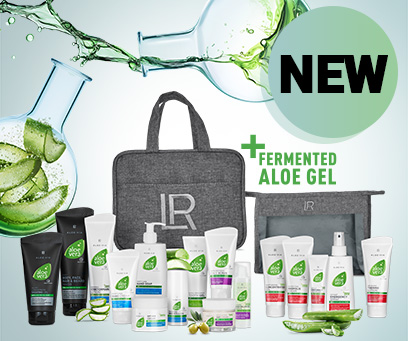 Can aloe vera organic lotions help with acne?
Yes, aloe vera organic lotions can be beneficial for acne-prone skin due to their anti-inflammatory and antimicrobial properties. They can help soothe irritation and reduce breakouts when used consistently.
Moreover, many after-sun products are formulated with artificial fragrances and chemicals that can irritate sensitive skin. Aloe vera cooling gel, with its natural composition, provides a soothing alternative that not only calms sunburn but also hydrates and nourishes the skin. This holistic approach to skincare aligns with the growing demand for natural and organic products, allowing consumers to make choices that reflect their commitment to health and wellbeing.
 Conclusion
In summary, Aloe Vera emerges as a potent natural remedy for burn care, offering a myriad of benefits that cater to the needs of health-conscious individuals. With its proven soothing properties, ability to accelerate healing, and potential to minimize scarring, it represents a valuable addition to any first-aid kit. While it holds promise, it is important to remember that Aloe Vera is not a substitute for professional medical treatment in severe cases. As with any natural remedy, individual responses may vary, and it is advisable to consult with healthcare professionals for tailored advice. By integrating Aloe Vera into your burn care regimen, you not only embrace a holistic approach to healing but also align with a growing trend towards natural wellness solutions.
Furthermore, it is essential to use products that contain natural Aloe Vera, as many commercial products can contain additives that might irritate the skin. For more details, After Shave Balm, which may be helpful. Reading labels and choosing products from reputable brands can help ensure that only the beneficial properties of Aloe Vera are utilized. For those who prefer a DIY approach, extracting the gel directly from the plant is often the best option.
Is drinkable aloe vera gel safe for everyone?
While drinkable aloe vera gel is generally safe for most people, those with specific health conditions, pregnant women, or individuals taking certain medications should consult a healthcare professional before use. It's important to ensure safe consumption tailored to your personal health circumstances.
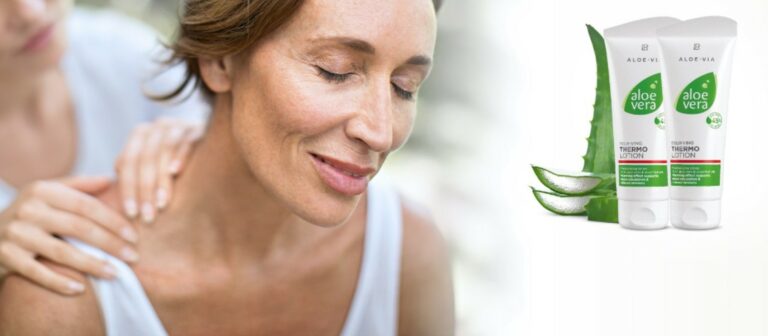 In addition, aloe vera ointments can be particularly effective for treating localized areas of irritation or dryness. These ointments can create a protective layer on the skin, preventing further damage and promoting healing. Applying these ointments regularly can help maintain skin integrity and reduce the likelihood of winter-related skin issues.
In today's health-conscious world, the demand for effective skincare products has reached an all-time high. Among the myriad options available, the debate surrounding aloe vera organic lotions versus conventional lotions has sparked significant interest. Many consumers, particularly those aged 30 to 65, are increasingly aware of the ingredients in their skincare products and are actively seeking natural alternatives that promote overall well-being. This article aims to dissect the differences, benefits, and potential drawbacks of both types of lotions, allowing readers to make informed decisions about their skincare routines.
How often should I apply Aloe Vera to a burn?
For best results, Aloe Vera should be applied to the burn area 2-3 times a day. Ensure the area is clean before application, and use a thin layer of gel to promote healing.
 Environmental Impact and Sustainability of Aloe Vera
As consumers become increasingly aware of the environmental impact of their skincare choices, many are looking for sustainable options. Aloe vera is a highly sustainable plant that requires minimal water and resources to grow. Its cultivation can often be done in arid regions where other crops may struggle, making it an environmentally friendly choice for skincare. By choosing products that utilize aloe vera, consumers are supporting a sustainable industry that prioritizes eco-friendly practices.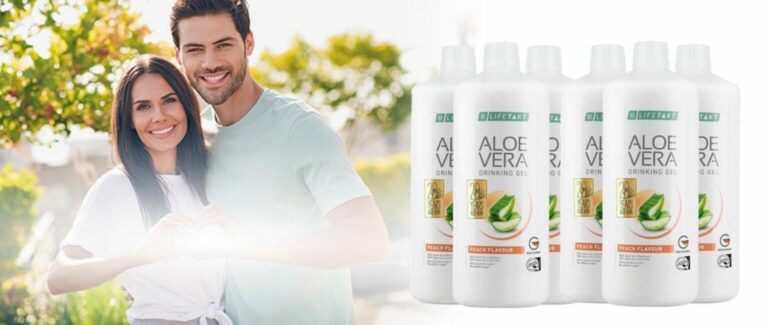
As we explore the potential benefits of aloe vera for rosacea, it is crucial to understand the various forms in which this plant can be used, including gels, creams, and even juices. Each form has its unique properties and recommended applications. By examining user experiences and expert opinions, this article hopes to inform readers about the best practices for utilizing aloe vera effectively. Whether you are new to the world of natural skincare or looking to enhance your current regimen, the insights shared here may offer valuable guidance.Can aloe vera organic lotions help with acne?Yes, aloe vera organic lotions can be beneficial for acne-prone skin due to their anti-inflammatory and antimicrobial properties. They can help soothe irritation and reduce breakouts when used consistently.
Moreover, many after-sun products are formulated with artificial fragrances and chemicals that can irritate sensitive skin. Aloe vera cooling gel, with its natural composition, provides a soothing alternative that not only calms sunburn but also hydrates and nourishes the skin. This holistic approach to skincare aligns with the growing demand for natural and organic products, allowing consumers to make choices that reflect their commitment to health and wellbeing.
Conclusion In summary, Aloe Vera emerges as a potent natural remedy for burn care, offering a myriad of benefits that cater to the needs of health-conscious individuals. With its proven soothing properties, ability to accelerate healing, and potential to minimize scarring, it represents a valuable addition to any first-aid kit. While it holds promise, it is important to remember that Aloe Vera is not a substitute for professional medical treatment in severe cases. As with any natural remedy, individual responses may vary, and it is advisable to consult with healthcare professionals for tailored advice. By integrating Aloe Vera into your burn care regimen, you not only embrace a holistic approach to healing but also align with a growing trend towards natural wellness solutions.
Furthermore, it is essential to use products that contain natural Aloe Vera, as many commercial products can contain additives that might irritate the skin. For more details, After Shave Balm, which may be helpful. Reading labels and choosing products from reputable brands can help ensure that only the beneficial properties of Aloe Vera are utilized. For those who prefer a DIY approach, extracting the gel directly from the plant is often the best option.
Is drinkable aloe vera gel safe for everyone?
While drinkable aloe vera gel is generally safe for most people, those with specific health conditions, pregnant women, or individuals taking certain medications should consult a healthcare professional before use. It's important to ensure safe consumption tailored to your personal health circumstances.
In addition, aloe vera ointments can be particularly effective for treating localized areas of irritation or dryness. These ointments can create a protective layer on the skin, preventing further damage and promoting healing. Applying these ointments regularly can help maintain skin integrity and reduce the likelihood of winter-related skin issues.In today's health-conscious world, the demand for effective skincare products has reached an all-time high. Among the myriad options available, the debate surrounding aloe vera organic lotions versus conventional lotions has sparked significant interest. Many consumers, particularly those aged 30 to 65, are increasingly aware of the ingredients in their skincare products and are actively seeking natural alternatives that promote overall well-being. This article aims to dissect the differences, benefits, and potential drawbacks of both types of lotions, allowing readers to make informed decisions about their skincare routines.
How often should I apply Aloe Vera to a burn?
For best results, Aloe Vera should be applied to the burn area 2-3 times a day. Ensure the area is clean before application, and use a thin layer of gel to promote healing.
Environmental Impact and Sustainability of Aloe Vera As consumers become increasingly aware of the environmental impact of their skincare choices, many are looking for sustainable options. Aloe vera is a highly sustainable plant that requires minimal water and resources to grow. Its cultivation can often be done in arid regions where other crops may struggle, making it an environmentally friendly choice for skincare. By choosing products that utilize aloe vera, consumers are supporting a sustainable industry that prioritizes eco-friendly practices.
댓글목록
등록된 댓글이 없습니다.

